
 English
 简体中文
简体中文  繁体中文
繁体中文 
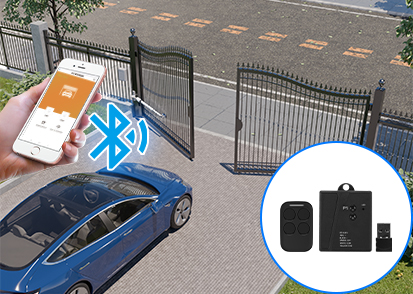


How Strong Are DIY Aluminum Gates? A Guide to Strength, Design and Durability
How Strong Are DIY Aluminum Gates? A Guide to Strength, Design and Durability
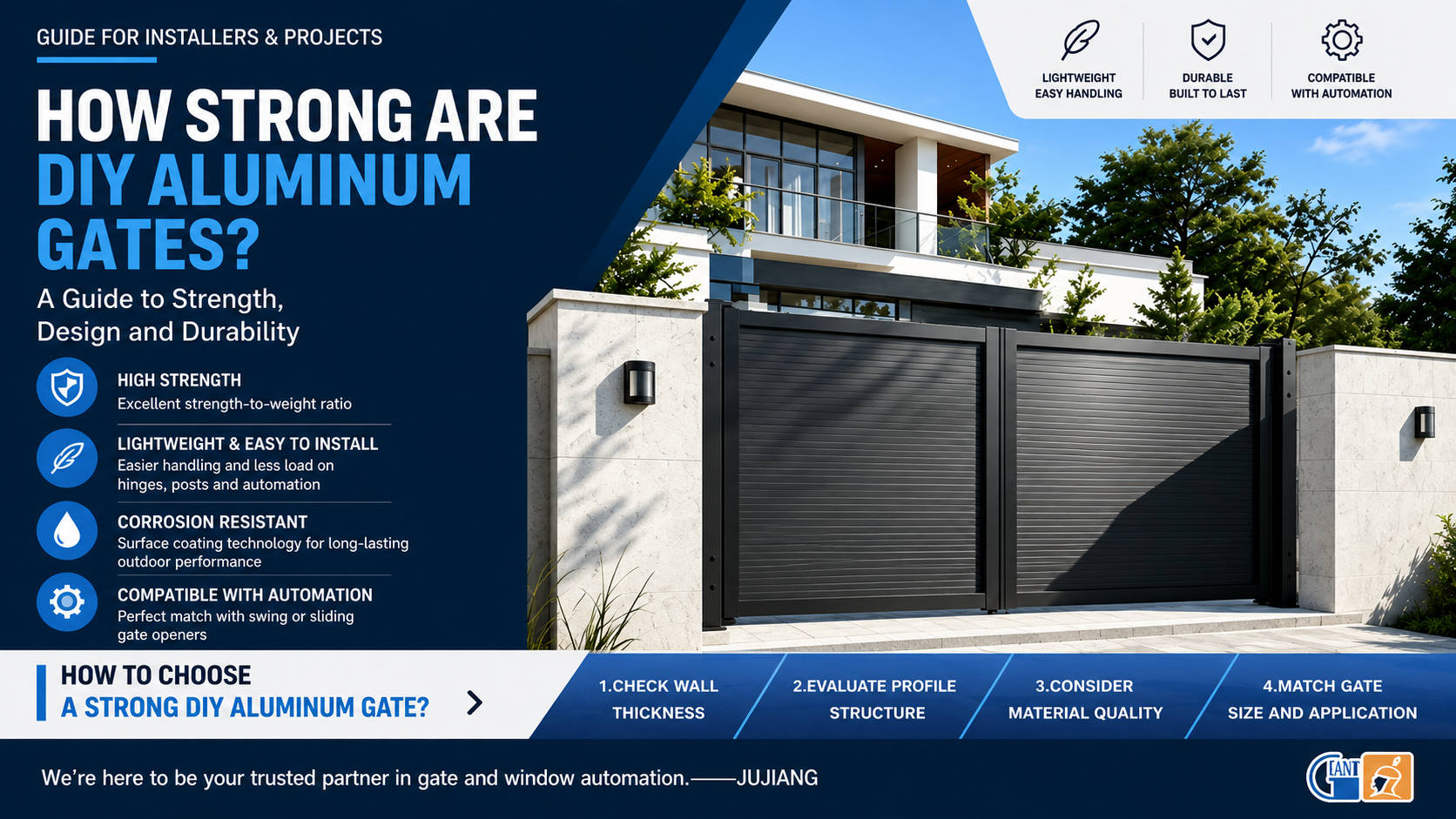
When choosing a gate for a residential or light commercial project, installers may wonder: Are DIY aluminum gates strong enough for everyday use? Although aluminum is much lighter than steel, a well-designed aluminum gate can deliver excellent structural performance when the right profiles, wall thickness and reinforcement are used.
What Makes a DIY Aluminum Gate Strong?
1. Aluminum Offers an Excellent Strength-to-Weight Ratio
Aluminum has a density of approximately one-third that of steel, which makes DIY aluminum gates significantly easier to handle and install. However, low weight does not mean low strength. Aluminum alloys can provide strong mechanical performance while reducing the overall load placed on hinges, posts and gate automation systems.
For installers, this combination of low weight and adequate strength can be particularly valuable for aluminum driveway gates, pedestrian gates and other applications where ease of installation matters.
2. Profile Design Matters More Than Overall Weight
The strength of an aluminum gate frame depends heavily on its profile geometry. Hollow-section aluminum profiles can provide good rigidity without adding unnecessary weight. Larger profiles, adequate wall thickness and internal reinforcement can improve resistance to bending and twisting.
For wider gates, additional horizontal or vertical reinforcement may be required, especially where wind loads or frequent operation are expected. A lightweight gate is not automatically a strong gate—the structural design must match the size and application.
3. Corrosion Resistance Reduces Maintenance
Aluminum naturally forms a protective oxide layer, giving it excellent resistance to corrosion. With a suitable powder-coated finish, aluminum gates can be well suited to outdoor applications, including coastal and humid environments.
Compared with conventional steel gates, DIY aluminum gates generally require less maintenance related to rust and repainting, making them a practical option for residential entrances, gardens and driveways.
How to Choose a Strong DIY Aluminum Gate
Instead of judging a gate by weight alone, check four key factors:
Wall thickness: The required thickness depends on gate size, span and application. Larger driveway gates generally require more robust profiles than small pedestrian gates.
Profile structure: Look for hollow sections and appropriate internal reinforcement rather than focusing only on the total weight.
Material quality: Ask the supplier for alloy information and relevant mechanical-performance data when structural requirements are important.
Gate size and application: A large gate exposed to wind or frequent automated operation requires a different structural design from a small garden gate.
JUJIANG GIANT DIY Aluminum Gate Solutions
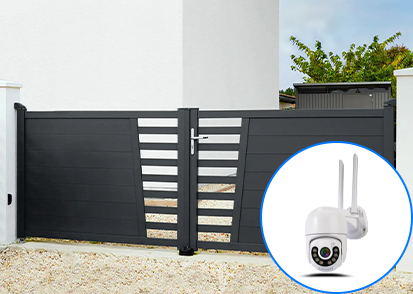
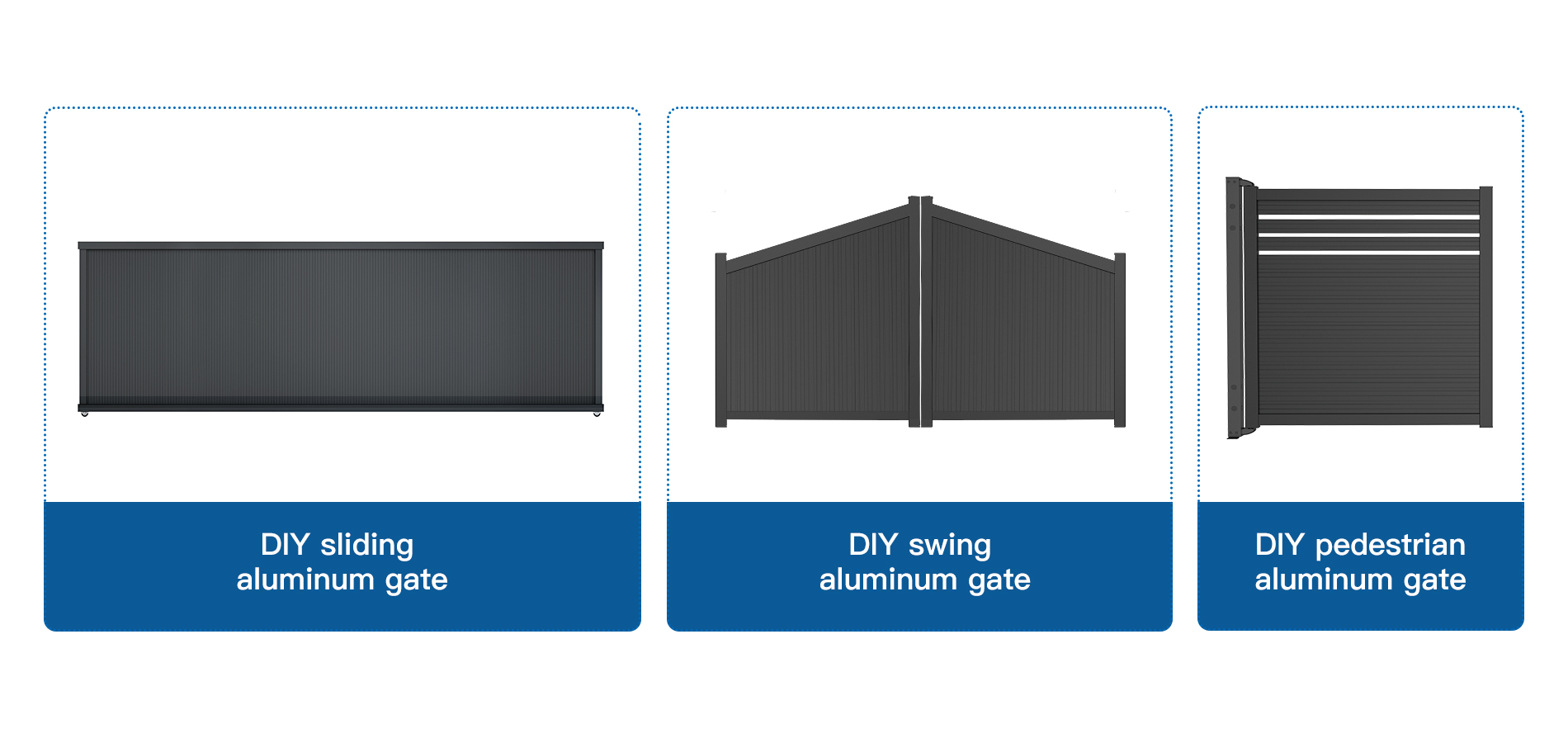
JUJIANG GIANT provides DIY aluminum gates designed around practical installation and project requirements. The product range covers sliding gates, swing gates, pedestrian gates and larger driveway entrances, with different profile and decorative options available.
The company also supplies compatible gate automation systems, allowing installers to source the gate body, opener and control components from one supplier. This integrated approach can simplify project planning, installation and system matching.
Ultimately, the strength of an aluminum gate is not determined by weight alone. Profile geometry, wall thickness, reinforcement, material quality and application requirements all contribute to structural performance. When these factors are properly matched, a lightweight aluminum gate can provide the strength, durability and ease of installation required for modern residential and commercial projects.
 37 Sunshine Road, Photoelectric Information Industrial Park, Nan'an, Fujian, China
© Copyright: 2022 Giant Alarm System Co.,Ltd All Rights Reserved.

IPv6 network supported


